×
- Hello
- Login or Register
- Quick Links
- Live Chat
- Track Order
- Parts Availability
- RMA
- Help Center
- Contact Us
- Shop for
- Subaru Parts
- Subaru Accessories


My Garage
My Account
Cart
This part fits
2013 Subaru BRZ
Check another vehicle- The location this part fits: Rear
- Production Date: 201111 - 201308
- Fitting Vehicle Options: 2C.HIGH, *2C.BASE
Subaru 26700CC000 BRAKE DISC R V
2010-2025 Subaru 26700CC000
Customer Questions & Expert Answers (2)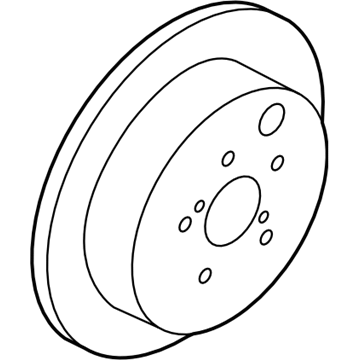
- Part DescriptionBRAKE DISC R V
- 16"
- Part Code26700
- Replaces
- ManufacturerSubaru
- Require Quantity02
- Package Quantity1
This part fits
2013 Subaru BRZ
Check another vehicle- The location this part fits: Rear
- Production Date: 201111 - 201308
- Fitting Vehicle Options: 2C.HIGH, *2C.BASE
$62.68 MSRP: $90.83
You Save: $28.15 (31%)
Ships in 1-3 Business Days
1
- Related Parts
- Specifications
- Q&A
Product Specifications
Brand Genuine Subaru Part Code 26700 Manufacturer Part Number 26700CC000 Part Description BRAKE DISC R V Condition New Fitment Type Direct Replacement Replaces 26700AJ010 Manufacturer Subaru SKU 26700CC000 Warranty This genuine Subaru part is guaranteed by Subaru's factory warranty. Shipping & Return Shipping Policy Return Policy Warning: California's Proposition 65Customer Questions & Expert Answers
- Q:I was wondering if this is the correct part for my vehicle? Posted by SubaruPartsDeal Specialist
- A:You can Select Your Vehicle to check if 26700CC000 fits your vehicle.Posted by SubaruPartsDeal Specialist
- Installation and Repair Tips by AI Expert
- Removal steps: 1. Park on a level surface, engage parking brake, chock opposite wheels, and wear eye protection and gloves. 2. Loosen wheel fasteners slightly while the vehicle is still on the ground. 3. Raise the vehicle and support securely on jack stands placed under proper lift points. 4. Fully remove the wheel to expose the brake assembly. 5. Disconnect the negative battery terminal and wait a few minutes before proceeding to prevent unintended electrical events (this is important if vehicle has sensors or an electronic parking brake). 6. If the vehicle has an electronic parking brake, follow the manufacturer's procedure to temporarily release or disable it (procedures vary by design). 7. Inspect and disconnect or unclip any ABS sensor or wiring harnesses that obstruct caliper removal, taking care not to damage connectors. 8. Remove the brake caliper mounting fasteners as required and carefully lift the caliper off the disc; support the caliper with wire or a hanger so the brake hose is not strained. 9. If equipped, remove the caliper bracket or hardware that secures the disc (some designs require bracket removal; others do not). 10. Remove any rotor-retaining screws or clips if present (these vary by design). 11. Free the disc from the hub; if seized, apply penetrating lubricant at the hub interface and use controlled hammer taps on the face or around the hat area with a rubber or soft-faced mallet until it breaks free. 12. Clean and inspect the hub and surrounding components for corrosion, wear, and damage. Installation steps: 1. Clean the hub mating surface thoroughly, removing rust and debris so the new disc seats evenly. 2. If recommended by the part or vehicle manufacturer, apply a thin, appropriate anti-seize to the hub contact area only - avoid any contamination of the braking surface. 3. Place the new disc onto the hub; if the design uses retaining screws or clips and they were removed, reinstall them as applicable. 4. Reinstall the caliper bracket if it was removed, then install new or existing brake pads as required. 5. Compress the caliper piston(s) slowly and evenly using a suitable tool to allow caliper fitment over the new disc and pads. 6. Reinstall the caliper onto the bracket and secure all fasteners; use thread locker or replacement fasteners only if specified by the manufacturer. 7. Reconnect any ABS sensor wiring or harnesses that were disconnected. 8. Reconnect the negative battery terminal. 9. If the electronic parking brake was released or disabled, follow the proper procedure to re-enable or calibrate it (procedure varies by design). 10. With the vehicle still supported, spin the wheel assembly by hand to check for interference and ensure smooth rotation. 11. Reinstall the wheel, lower the vehicle to the ground, and tighten wheel fasteners to the vehicle manufacturer's specified torque. 12. If the brake hydraulic circuit was opened, bleed the brakes according to the correct sequence and method until firm pedal is achieved. 13. Before normal driving, perform several controlled stops at low speed to bed the new disc and pads and verify proper operation and absence of unusual noises or leaks. Repair tip: 1. Avoid contaminating pads or disc faces with grease, brake cleaner residue, or oil-if contamination occurs, clean or replace affected components. 2. Replace hardware (caliper bolts, retaining clips) with new items when visibly worn or if the manufacturer recommends replacement.
- Q:
Why choose Subaru Parts Deal
- Dedicated Service
Your complete satisfaction is our #1 goal
- Lowest Prices
Best deals on genuine OE parts from dealerships
- Fast Delivery
Orders are processed and delivered promptly