×
- Hello
- Login or Register
- Quick Links
- Live Chat
- Track Order
- Parts Availability
- RMA
- Help Center
- Contact Us
- Shop for
- Subaru Parts
- Subaru Accessories


My Garage
My Account
Cart
Additional information needed to check if this part fits
2017 Subaru Impreza
Check another vehicle- Production Date: 201609 - 201708
- Fitting Vehicle Options: 5MT
Subaru 806330120 Roller Bearing
1985-2021 Subaru 806330120
Customer Questions & Expert Answers (1)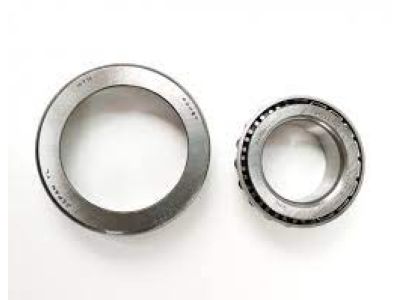
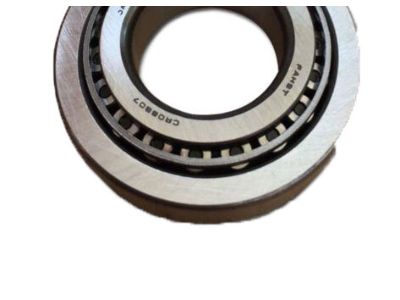
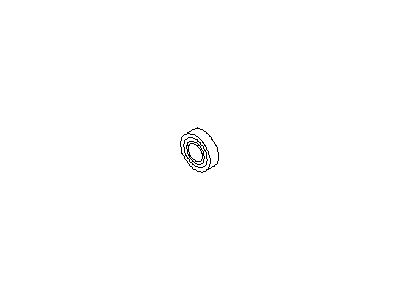
- Part DescriptionRoll Bearing 30X62X17
- Part CodeG33012
- Replaces
- ManufacturerSubaru
Additional information needed to check if this part fits
2017 Subaru Impreza
Check another vehicle- Production Date: 201609 - 201708
- Fitting Vehicle Options: 5MT
$31.48 MSRP: $45.62
You Save: $14.14 (31%)
Ships in 1-3 Business Days
1
- Related Parts
- Specifications
- Q&A
Product Specifications
Brand Genuine Subaru Part Code G33012 Manufacturer Part Number 806330120 Part Description Roll Bearing 30X62X17 Other Names Bearing, Rear Wheel Bearing Item Weight 0.80 Pounds Condition New Fitment Type Direct Replacement Replaces 061030206, 806330080, 806330110 Manufacturer Subaru SKU 806330120 Warranty This genuine Subaru part is guaranteed by Subaru's factory warranty. Shipping & Return Shipping Policy Return Policy Warning: California's Proposition 65Customer Questions & Expert Answers
- Installation & Repair Tips by AI Expert
- Removal: 1. Park on level ground, chock opposing wheels, engage the parking brake, and wear eye protection and gloves. 2. Loosen wheel lug nuts slightly with the vehicle on the ground. 3. Safely raise the vehicle and support it on quality jack stands placed under rated lift points. 4. Disconnect the negative battery terminal to prevent electrical shorts and to protect ABS/airbag systems. 5. Remove the wheel. 6. Remove brake caliper and support it out of the way without stressing the brake hose; remove pads if needed and set caliper aside. 7. Remove the brake rotor or dust cover as required to access the hub area. 8. Disconnect any electrical connectors (ABS/wheel-speed sensor) and remove sensor fasteners or clips as needed. 9. Remove any retaining hardware securing the hub/bearing assembly or axle retention nut, following the vehicle's design; retain or discard hardware per manufacturer guidance. 10. Separate the hub/bearing from the knuckle using the appropriate tools (puller, slide hammer, or press) or unbolt the hub assembly if it is a bolt-on design; protect the tone ring and bearing seal during removal. 11. Clean mating surfaces and inspect the knuckle, axle splines, and sensor wiring for damage. Installation: 1. Verify the replacement bearing/hub matches the removed unit and that seals and ABS tone rings are correct. 2. Clean and prepare the knuckle mating surface, removing corrosion and old sealant without damaging bore or sealing surfaces. 3. Install the new bearing/hub in the correct orientation using a hydraulic press or suitable driver; for bolt-on hubs, align and start fasteners by hand. 4. Tighten retaining hardware or nut to the manufacturer's specified procedure and torque values (consult service manual); do not guess torque. 5. Reinstall the brake rotor or dust cover and refit brake pads and caliper, ensuring pistons and hardware are correctly positioned. 6. Reconnect ABS/wheel-speed sensor connectors and secure wiring clear of moving parts. 7. Reinstall the wheel, lower the vehicle to the ground, and torque wheel lug nuts to the factory specification. 8. Reconnect the negative battery terminal. 9. Start the vehicle and verify ABS/traction lights are not illuminated; clear codes if required and available equipment is used. 10. Road-test at low speed to check for noise, vibration, proper braking, and ABS operation; recheck wheel lug torque after the initial short drive. 11. Repair tip: Replace any single-use fasteners (e.g., certain axle or hub nuts) and consult the factory service manual for exact torque values and any required pre-load or installation tools.
Why choose Subaru Parts Deal
- Dedicated Service
Your complete satisfaction is our #1 goal
- Lowest Prices
Best deals on genuine OE parts from dealerships
- Fast Delivery
Orders are processed and delivered promptly