×
- Hello
- Login or Register
- Quick Links
- Live Chat
- Track Order
- Parts Availability
- RMA
- Help Center
- Contact Us
- Shop for
- Subaru Parts
- Subaru Accessories


My Garage
My Account
Cart
Genuine Subaru Forester Car Batteries
Auto Battery- Select Vehicle by Model
- Select Vehicle by VIN
Select Vehicle by Model
orMake
Model
Year
Select Vehicle by VIN
For the most accurate results, select vehicle by your VIN (Vehicle Identification Number).
5 Car Batteries found
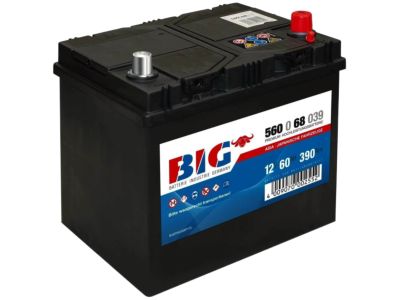
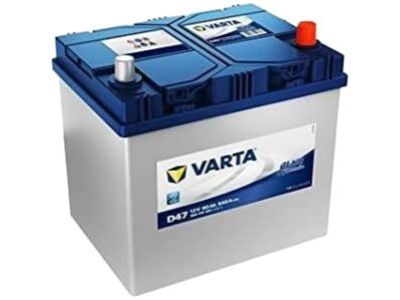
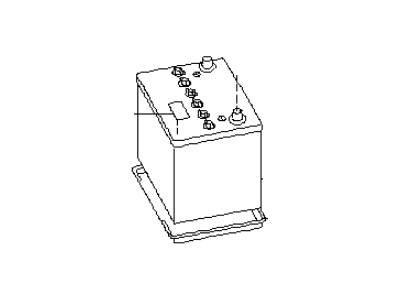
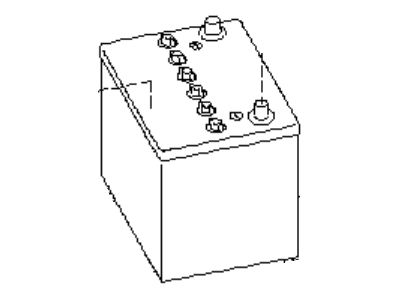
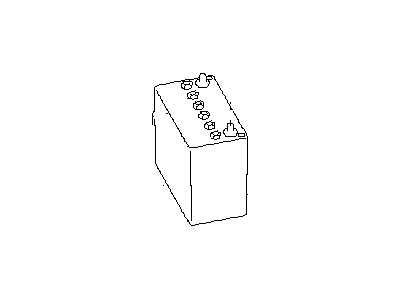
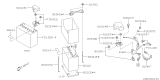
Subaru Forester Car Batteries
Car Batteries in Subaru Forester vehicles function to both initiate the engine start and deliver power to ignition and fuel injection systems as well as store electricity for engine starting purposes. Battery part function independently from the engine shutdown and they continue to operate critical functions such as clocks. The history shows Forester vehicles applied initial conventional flooded lead-acid (FLA) batteries for maintenance work but later added FLA maintenance-smooth and absorbed glass mat (AGM) Car Batteries with improved functionality and less service needs. The Subaru Car Batteries in the Forester get their classification through size along with configuration and ratings that require special attention to both cold cranking amps (CCA) and reserve capacity. The necessity for a higher CCA rating depends on the climate and vehicles with many electrical systems require enough reserve capacity. Subaru Forester Car Batteries were built for providing dependable power management that supports both engine operation and electrical system functionality.
Our website stands as the go-to online destination for OEM Subaru Forester Car Batteries. With complete lines of genuine Subaru Forester Car Batteries available at unbeatable market prices, we ensure top quality, reliability, and durability. Each part comes backed by the manufacturer's warranty, reinforcing your trust in our offerings.
Subaru Forester Car Batteries Parts Questions & Experts Answers
- Q:Why is a Routine Preventive Maintenance Program Important for Car Batteries in a Subaru Forester?Posted by Miranda E.A:To ensure that your vehicle starts quickly and reliably, you should have a routine preventive maintenance program for the battery. Prior to doing any work on your battery, ensure that you have the necessary tools to safely carry out these activities, such as safety glasses or a face shield; petroleum jelly; baking soda solution; treated felt; pullers; cleaning fluids for battery post and cable terminal connections and latex gloves. Precautions should always be observed when working on a battery like turning off the engine and accessories, disconnecting the cable from negative terminal as well as avoiding sparks, smoking or flames since hydrogen gas produced by the battery is highly flammable and explosive. In addition to this, if there is contact with eyes skin or clothes one must be careful because of poisonous and corrosive sulphuric acid in electrolyte remember wearing protective safety glasses. Externally examine the battery for signs of corrosion at positive terminal and cable clamp area tightly connected cables holding clamp cracks in casing or cover as well as hold down clamps being loose. If corrosion exists, loosen cable clamp bolts to remove the battery then slide it off terminals by disconnecting hold-down clamp. Thoroughly clean both sides of each cable clamp using a brush with a special cleaning fluid made from baking soda strictly avoiding entrance into the cell. Wear rubber gloves along with goggles while doing this then wash all cleaned areas using plain water only after cleaning terminals including top part of battry assembly which had been soiled during removal process. When reinstalling the battery, check tray together with hold-down clamp bolts ensuring no piece gets left behind in its respective position. Any corroded metal parts require priming them with zinc-based primer before painting them over again. A discharged storage cell can be restored by slow-rate charging using one or two-amp chargers or even maintain its charge whereas quick boost charges are meant for emergency situations only. Charge according to instructions given by charger, if provided take off cell caps, then plug holes using clean cloth to prevent electrolyte from splattering and finally connect charger cables to battery posts. During charging especially with higher-amp chargers check regularly to avoid overheating. Use a hydrometer or the built-in hydrometers or voltage readings to ascertain the charge state.Answered by Subaru Parts Specialist Nolan / Oct 19, 2024
Related Subaru Forester Parts

Browse by Year
2018 Car Batteries 2017 Car Batteries 2016 Car Batteries 2015 Car Batteries 2014 Car Batteries 2013 Car Batteries 2012 Car Batteries 2011 Car Batteries 2010 Car Batteries 2009 Car Batteries 2008 Car Batteries 2007 Car Batteries 2006 Car Batteries 2005 Car Batteries 2004 Car Batteries 2003 Car Batteries 2002 Car Batteries 2001 Car Batteries 2000 Car Batteries 1999 Car Batteries 1998 Car Batteries