×
- Hello
- Login or Register
- Quick Links
- Live Chat
- Track Order
- Parts Availability
- RMA
- Help Center
- Contact Us
- Shop for
- Subaru Parts
- Subaru Accessories


My Garage
My Account
Cart
Genuine Subaru Forester Pressure Plate
Clutch Pressure Plate- Select Vehicle by Model
- Select Vehicle by VIN
Select Vehicle by Model
orMake
Model
Year
Select Vehicle by VIN
For the most accurate results, select vehicle by your VIN (Vehicle Identification Number).
8 Pressure Plates found
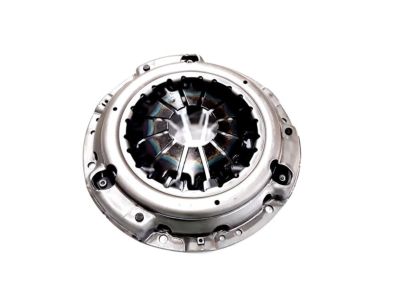
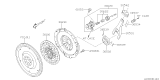
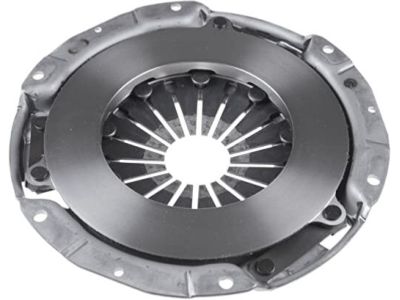
Subaru Forester Cover Complete Clutch
Part Number: 30210AA620$161.20 MSRP: $235.67You Save: $74.47 (32%)Ships in 1-2 Business Days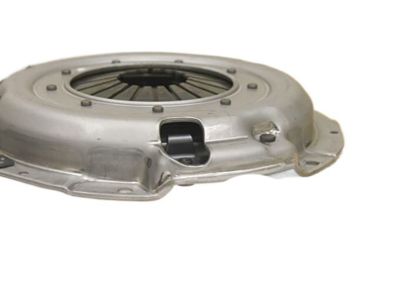
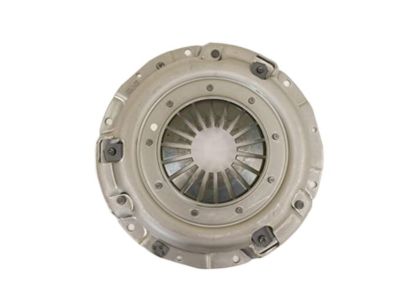
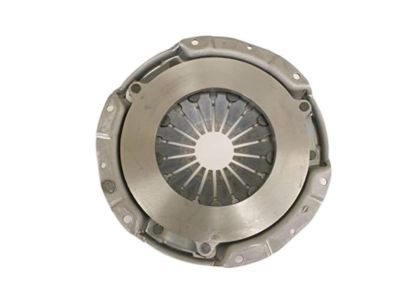
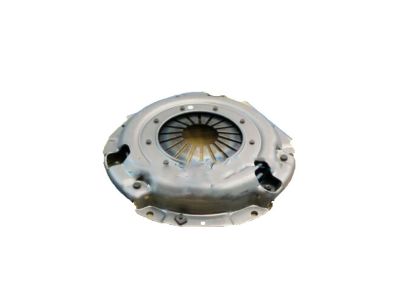
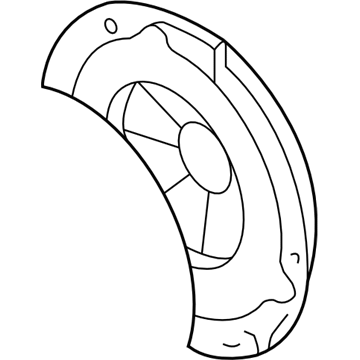
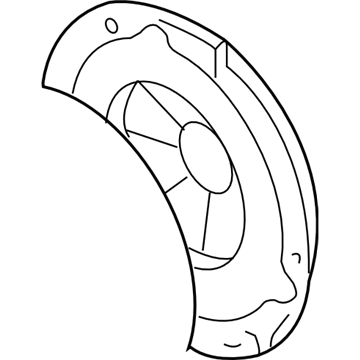
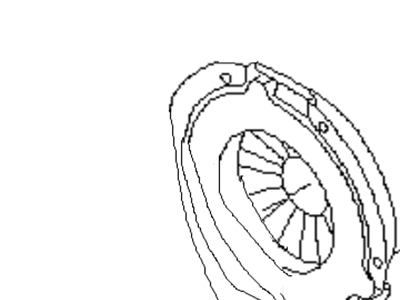
Subaru Forester PT270304 Cover Complete C
Part Number: 30210AA590$150.02 MSRP: $219.33You Save: $69.31 (32%)Ships in 1-3 Business Days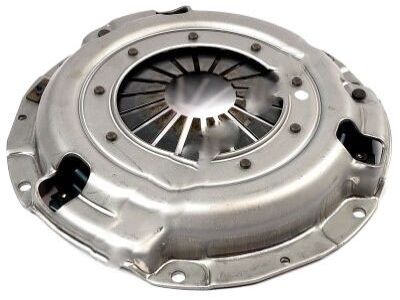
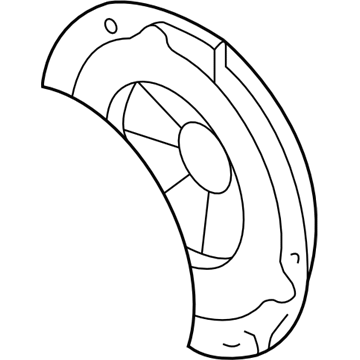
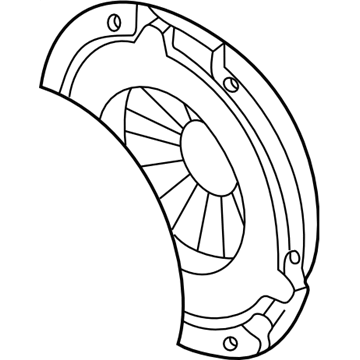
Subaru Forester Cover Complete Clutch
Part Number: 30210AA770$155.44 MSRP: $227.25You Save: $71.81 (32%)Ships in 1-3 Business Days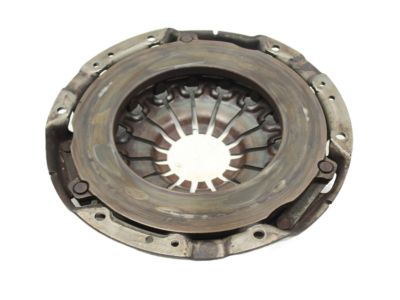
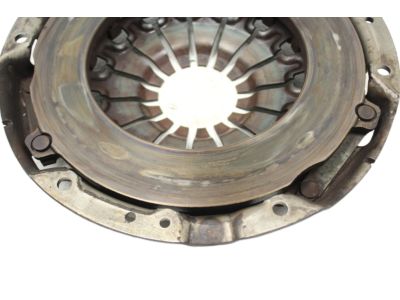
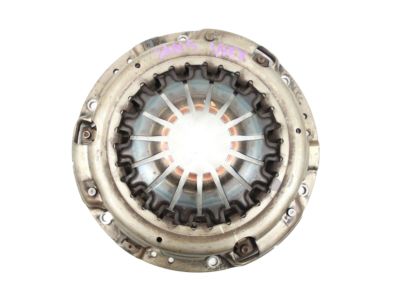
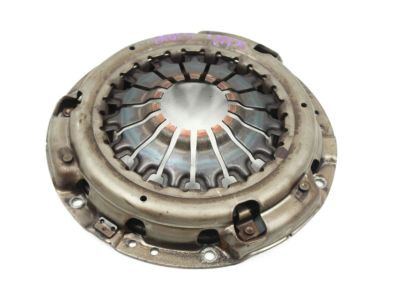
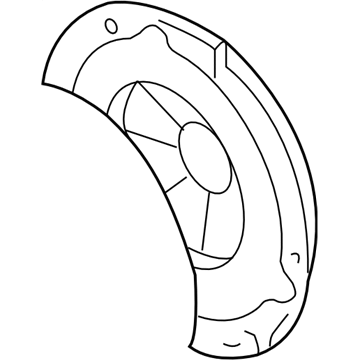
Subaru Forester Cover Complete Clutch
Part Number: 30210AA690$184.78 MSRP: $270.15You Save: $85.37 (32%)Ships in 1-3 Business Days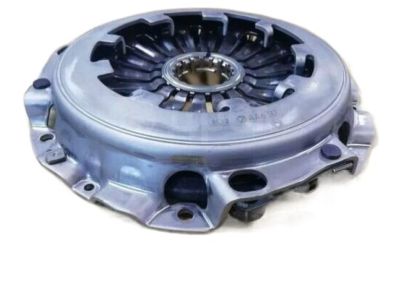
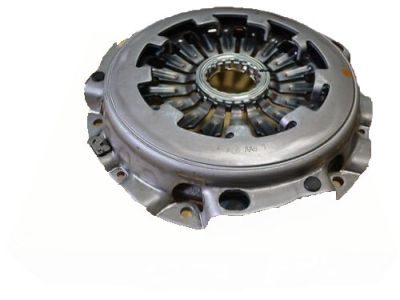
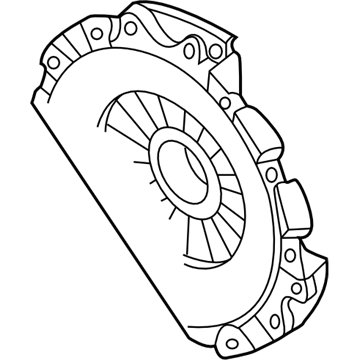
Subaru Forester Cover Complete Clutch
Part Number: 30210AA630$242.76 MSRP: $354.92You Save: $112.16 (32%)Ships in 1-2 Business Days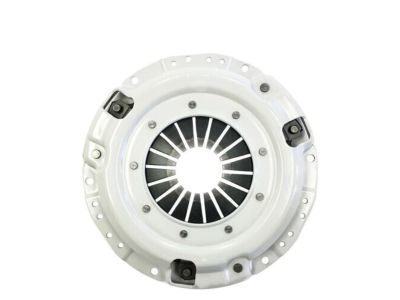
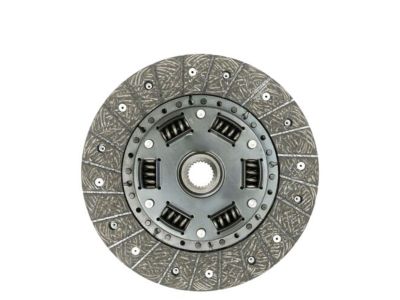
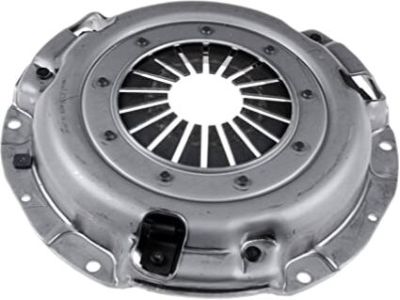
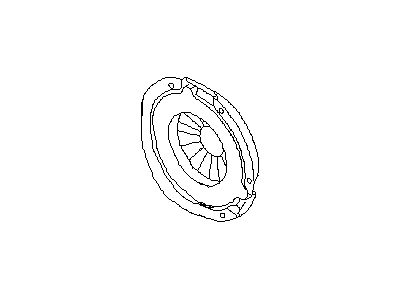
Subaru Forester Pressure Plate
Subaru Forester Pressure Plate exhibits firm clamping that locks engine torque to the gearbox while allowing the driver to instantly uncouple the drivetrain for smooth changing of gear. The Pressure Plate is fastened to the flywheel. During engagement, it grips the clutch disc. When the pedal is pressed, the diaphragm or lever mechanism retracts the Pressure Plate to free the clutch disc. The majority of Forester manuals use a diaphragm spring unit. Moreover, because it needs lighter pedal effort, it gives smooth bite and matches hydraulic linkage. Older Borg & Beck or long three-finger designs rely on coil springs. They feel stiffer. The diaphragm-style features a conical Belleville spring. The spring's fingered hub flattens under the release bearing load. This causes a tipping motion that lifts the rim off the Pressure Plate from the disc. The system then snaps back to clamp when the pedal is released. There are three finger types that pivot on levers to squash small coils. Although they tolerate some racing heat, they also require a harder pedal stroke. This is why Subaru rarely fits any of them in daily Forester models. The Pressure Plate wears at almost the same rate as the clutch disc, whichever style is present, and a weak unit allows slip, chatter, or hard shifts. The prompt Pressure Plate replacement ensures that the final power flow of Subaru's remains reliable and clean.
Our website stands as the go-to online destination for OEM Subaru Forester Pressure Plate. With complete lines of genuine Subaru Forester Pressure Plate available at unbeatable market prices, we ensure top quality, reliability, and durability. Each part comes backed by the manufacturer's warranty, reinforcing your trust in our offerings.
Subaru Forester Pressure Plate Parts Questions & Experts Answers
- Q:How to Access and Inspect the Clutch Disc,Clutch Fork,Pressure Plate and Release Bearing on Subaru Forester?Posted by Spencer B.A:To access the clutch, remove the transaxle, leaving the engine in the vehicle. Check the flywheel and pressure plate for marks, and loosen the bolts. Inspect the clutch disc lining, flywheel, machined surfaces, diaphragm spring fingers, and the Pilot Bearing for wear and damage. Clean the flywheel and pressure plate with brake cleaner, position the clutch disc and pressure plate against the flywheel, center the disc, and tighten the bolts. Lubricate the release bearing, install it, and reinstall the transaxle and other components.Answered by Subaru Parts Specialist William / Sep 25, 2023
Related Subaru Forester Parts
 Subaru Forester Clutch Master Cylinder
 Subaru Forester Clutch Pedal
 Subaru Forester Pilot Bearing
 Subaru Forester Clutch Fork
 Subaru Forester Release Bearing
 Subaru Forester Clutch Master Repair Kit
 Subaru Forester Clutch Disc
 Subaru Forester Clutch Slave Cylinder
 Subaru Forester Clutch Slave Repair Kit
Browse by Year
2018 Pressure Plate 2017 Pressure Plate 2016 Pressure Plate 2015 Pressure Plate 2014 Pressure Plate 2013 Pressure Plate 2012 Pressure Plate 2011 Pressure Plate 2010 Pressure Plate 2009 Pressure Plate 2008 Pressure Plate 2007 Pressure Plate 2006 Pressure Plate 2005 Pressure Plate 2004 Pressure Plate 2003 Pressure Plate 2002 Pressure Plate 2001 Pressure Plate 2000 Pressure Plate 1999 Pressure Plate 1998 Pressure Plate