×
- Hello
- Login or Register
- Quick Links
- Live Chat
- Track Order
- Parts Availability
- RMA
- Help Center
- Contact Us
- Shop for
- Subaru Parts
- Subaru Accessories


My Garage
My Account
Cart
Genuine Subaru Impreza Drive Belt
Serpentine Belt- Select Vehicle by Model
- Select Vehicle by VIN
Select Vehicle by Model
orMake
Model
Year
Select Vehicle by VIN
For the most accurate results, select vehicle by your VIN (Vehicle Identification Number).
12 Drive Belts found
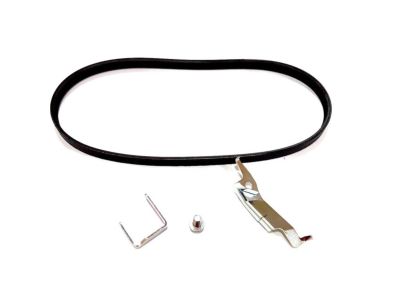
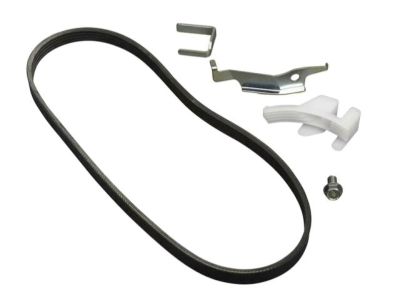
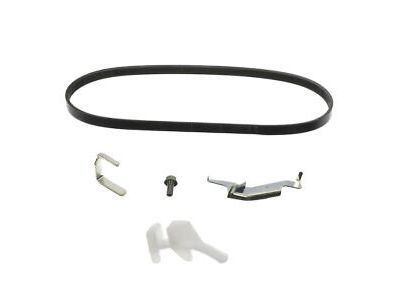
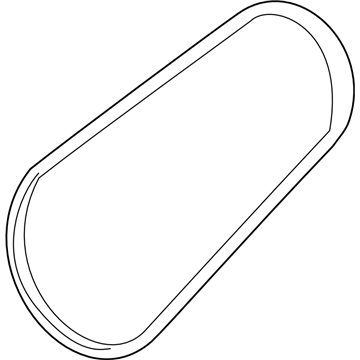
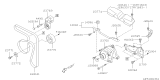
Subaru Impreza Belt Set
Part Number: 11718AA082$57.24 MSRP: $82.95You Save: $25.71 (31%)Ships in 1-3 Business Days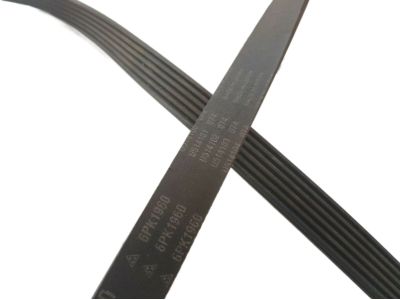
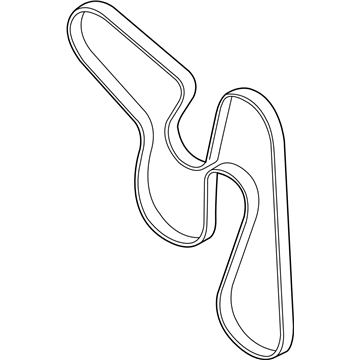
Subaru Impreza V Belt 21X4X1960
Part Number: 809221210$31.91 MSRP: $46.25You Save: $14.34 (32%)Ships in 1-3 Business Days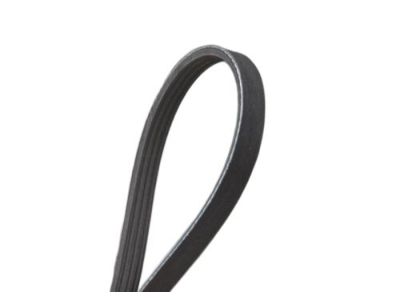
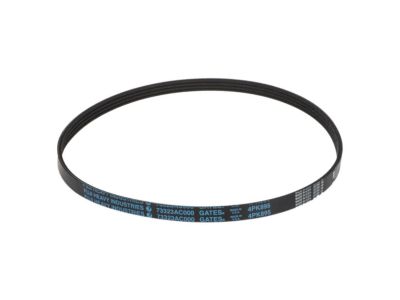
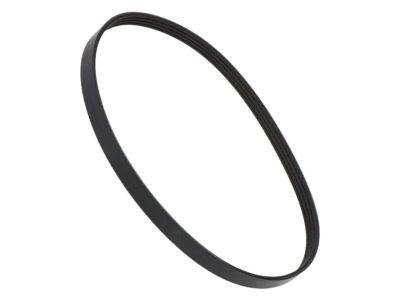
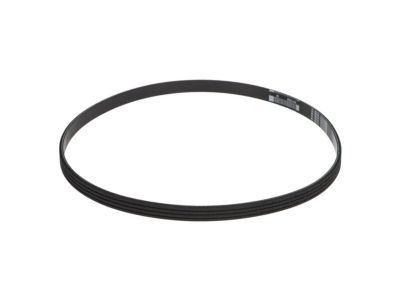
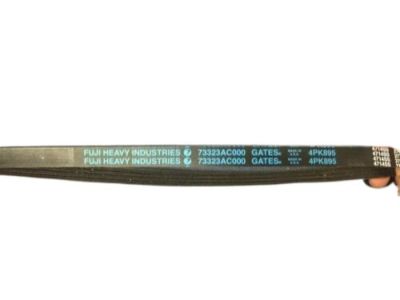
Subaru Impreza A/C Belt
Part Number: 73323AC000$15.26 MSRP: $22.12You Save: $6.86 (32%)Ships in 1-3 Business Days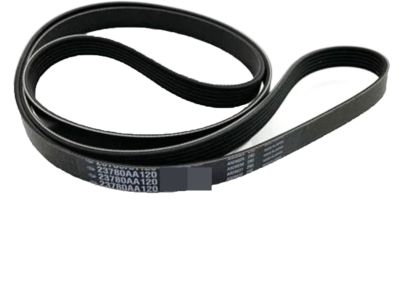
Subaru Impreza V Belt 21 X 4 X 2155
Part Number: 809221170$37.34 MSRP: $54.12You Save: $16.78 (32%)Ships in 1-3 Business Days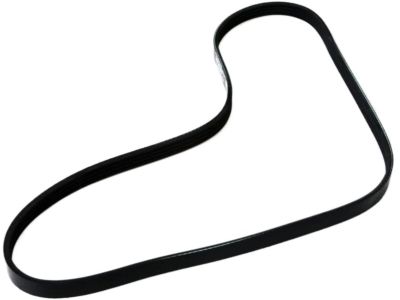
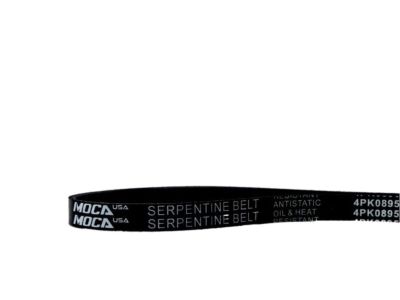
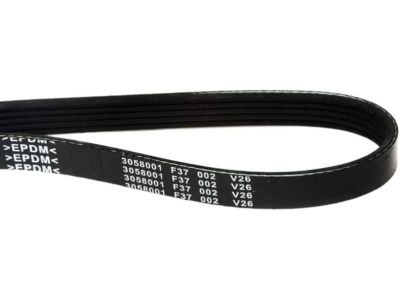
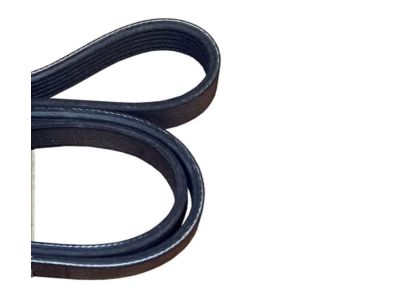
Subaru Impreza V Belt
Part Number: 809218430$18.14 MSRP: $26.28You Save: $8.14 (31%)Ships in 1-3 Business Days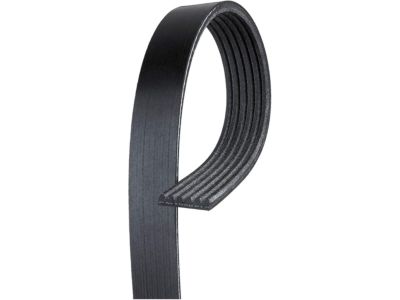
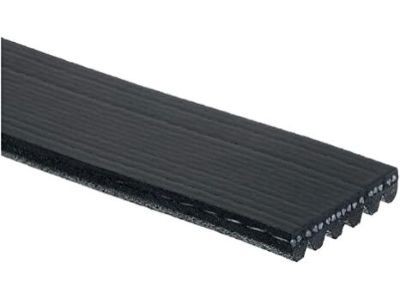
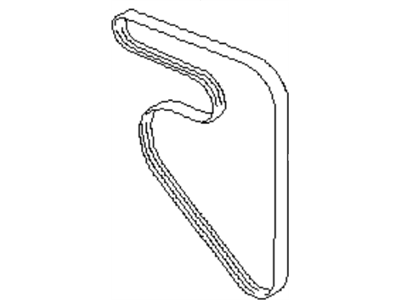
Subaru Impreza V Belt
Part Number: 23780AA08A$28.46 MSRP: $41.25You Save: $12.79 (32%)Ships in 1 Business Day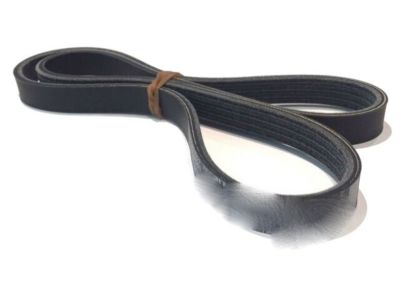
Subaru Impreza Belt Compressor
Part Number: 73323AC011$15.26 MSRP: $22.12You Save: $6.86 (32%)Ships in 1-3 Business Days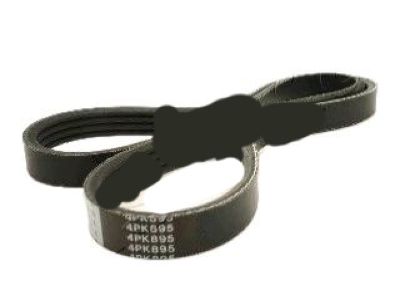
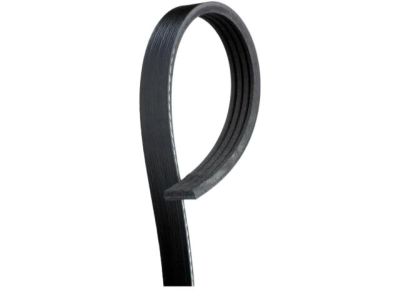
Subaru Impreza A/C Belt
Part Number: 73013AA000$12.20 MSRP: $16.95You Save: $4.75 (29%)Ships in 1-3 Business Days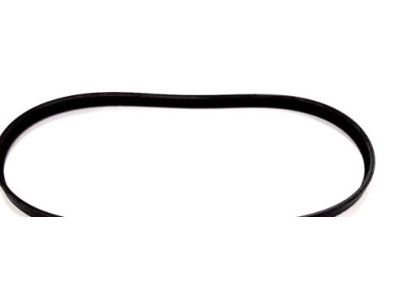
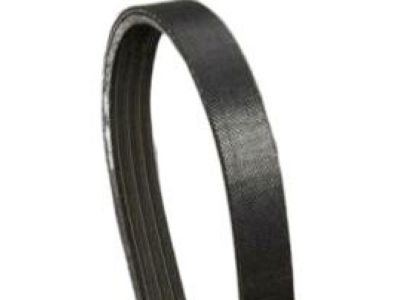
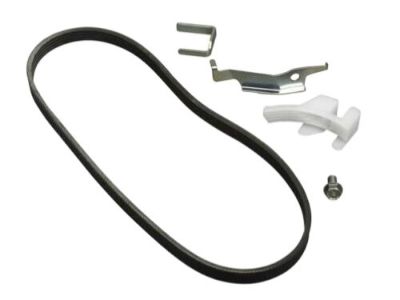
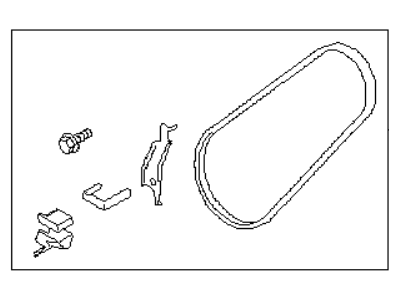
Subaru Impreza Belt Set
Part Number: 11718AA081$57.24 MSRP: $82.95You Save: $25.71 (31%)Ships in 1-3 Business Days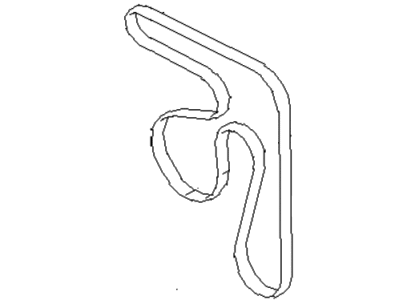
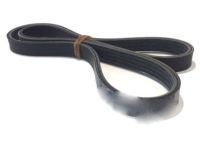
Subaru Impreza V Belt
Part Number: 23780AA230$36.58 MSRP: $53.02You Save: $16.44 (32%)Ships in 1-3 Business DaysSubaru Impreza A/C Belt
Part Number: 73323FA000$12.20 MSRP: $16.95You Save: $4.75 (29%)Ships in 1-3 Business Days
Subaru Impreza Drive Belt
Subaru Impreza Drive Belts send power from the crankshaft to vital engine components to keep them spinning. The Drive Belt, which is wrapped around various pulleys in an infinite loop, turns the alternator, water pump, power steering unit, and A/C compressor whenever the engine runs, providing electrical, cooling, steering assist, and cabin comfort. The twin V-style belts applied by early generations of Impreza gripped well but could only drive a few parts individually. In other words, designers had to find multiple locations for pulleys. The later Subaru models introduced a single serpentine multi-groove Drive Belt that commands every component together. Thus, one belt drives everything. As a result, this design has trimmed weight, simplified tensioning, and cut slip. The Drive Belt is manufactured from a special reinforced rubber that has a temperature tolerance from minus thirty-five to eighty-five degrees Celsius. This simple component stands up to about 100,000 miles before its resistance gives. If fraying, glazing, or cracking is seen, it will change quickly, as failure to do so could harm the components as well as the very distinct Subaru boxer engine. Thanks to the high efficiency that exceeds ninety percent and its ability to cushion abrupt load variations, the Impreza Drive Belt makes for a smooth, quiet car with low running costs, so long as the worn Drive Belt is replaced promptly.
Our website stands as the go-to online destination for OEM Subaru Impreza Drive Belt. With complete lines of genuine Subaru Impreza Drive Belt available at unbeatable market prices, we ensure top quality, reliability, and durability. Each part comes backed by the manufacturer's warranty, reinforcing your trust in our offerings.
Subaru Impreza Drive Belt Parts Questions & Experts Answers
- Q:How to inspect, adjust, and replace drive belts and tensioners on Subaru Impreza?Posted by Bret B.A:Engine belts that deteriorate over time are positioned at the front of the engine and play a critical role in avoiding costly damage. The number of belts differs from one vehicle to another but usually drives alternator, power steering pump and air conditioning compressor. To check them, open the hood with the motor off and look for cracks, separation, fraying or glazing while noticing their vein; they should appear nice and even. The tension of a belt is determined through pressing it down in between two pulleys where it should drop about 1/4 inch. Setting up the tension requires loosening a lock bolt on an adjustment assembly as well as rotating a slide bolt then rechecking it before tightening both bolts again. In order to change one's old belt however, it has to be replaced by new one which must be marked after removing the former using adjusting method when marking belts and pulleys is done properly. While changing out an older AC compressor belt built 2008 or later on use a pry bar to relieve pressure. Replacing drive belts for earlier models built in 2007 or less comprise removal of belt cover; drive belt itself; tensioner bracket; tensioner bolt; put back everything together starting from reverse order.Answered by Subaru Parts Specialist Gary / Jun 27, 2025
Related Subaru Impreza Parts
 Subaru Impreza Timing Belt
 Subaru Impreza Timing Cover
 Subaru Impreza Alternator
 Subaru Impreza Harmonic Balancer
 Subaru Impreza Piston Ring Set
 Subaru Impreza Crankshaft Pulley
 Subaru Impreza Timing Chain Tensioner
 Subaru Impreza Rocker Arm
 Subaru Impreza Rod Bearing
 Subaru Impreza Crankshaft Gear
 Subaru Impreza Timing Chain Guide
Browse by Year
2025 Drive Belt 2024 Drive Belt 2023 Drive Belt 2022 Drive Belt 2021 Drive Belt 2020 Drive Belt 2019 Drive Belt 2018 Drive Belt 2017 Drive Belt 2016 Drive Belt 2015 Drive Belt 2014 Drive Belt 2013 Drive Belt 2012 Drive Belt 2011 Drive Belt 2010 Drive Belt 2009 Drive Belt 2008 Drive Belt 2007 Drive Belt 2006 Drive Belt 2005 Drive Belt 2004 Drive Belt 2003 Drive Belt 2002 Drive Belt 2001 Drive Belt 2000 Drive Belt 1999 Drive Belt 1998 Drive Belt 1997 Drive Belt 1996 Drive Belt 1995 Drive Belt 1994 Drive Belt 1993 Drive Belt